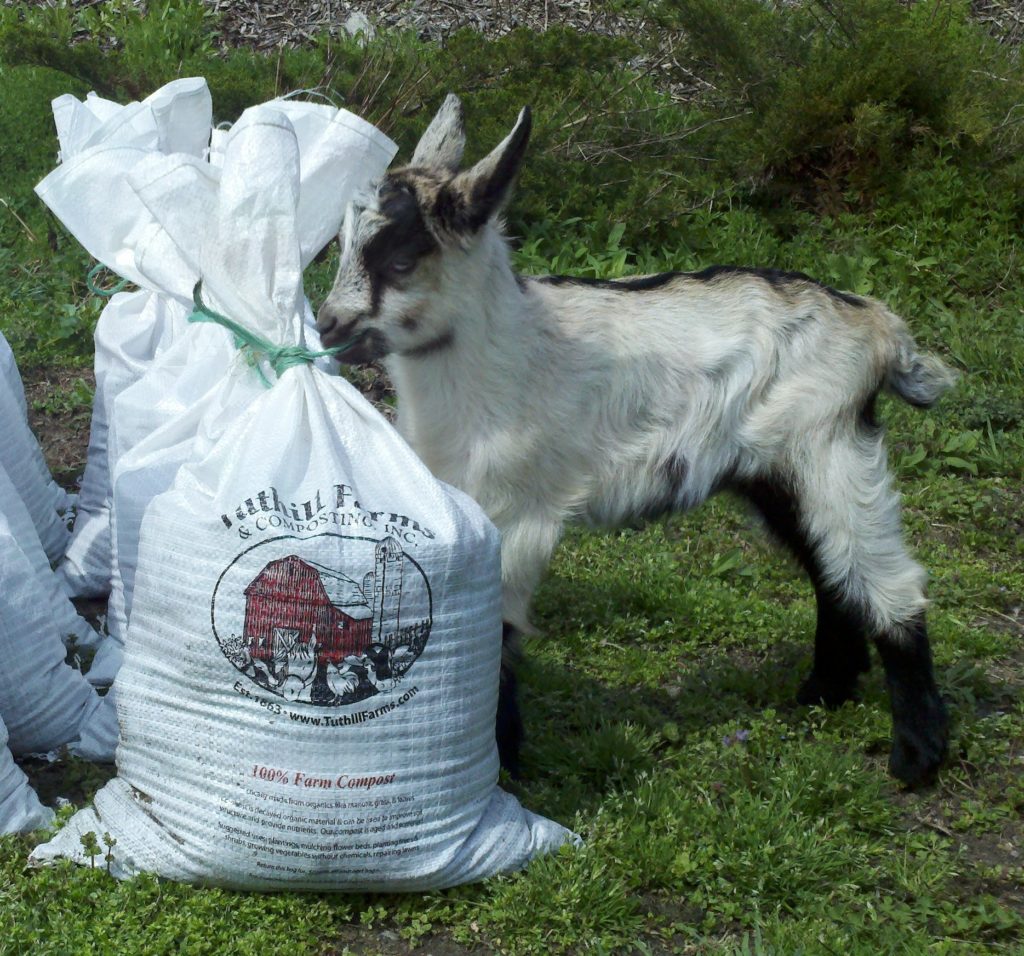
Tuthill Farms & Composting on the News
Compost Enhances Soil
As part of the soil, compost helps prevent erosion, reduces compaction, improves moisture retention, and enhances soil structure. Unlike peat, our farm compost is made from ingredients such as manure, grass clippings, and leaves. Finished compost has been shown to aid plant resistance to harmful diseases by promoting a healthy soil environment for roots. Used as a soil conditioner, compost increases moisture retention in sandy soils and lightens heavy clay soils.
We recommend that you have your soil tested so that you can know how much organic matter is needed along with other valuable information. Contact your county Extension Agent for instructions on how to have your soil tested. Email us to request our test results on our farm compost, leaf compost and topsoil.
The composting process happens naturally in the environment. Leaves that fall to the ground form a rich, moist layer of mulch that protect roots and plants and provide a home for nature's recyclers: bacteria, worms and insects. These natural recyclers feed on the mulch, turning it into compost.
Backyard Composting
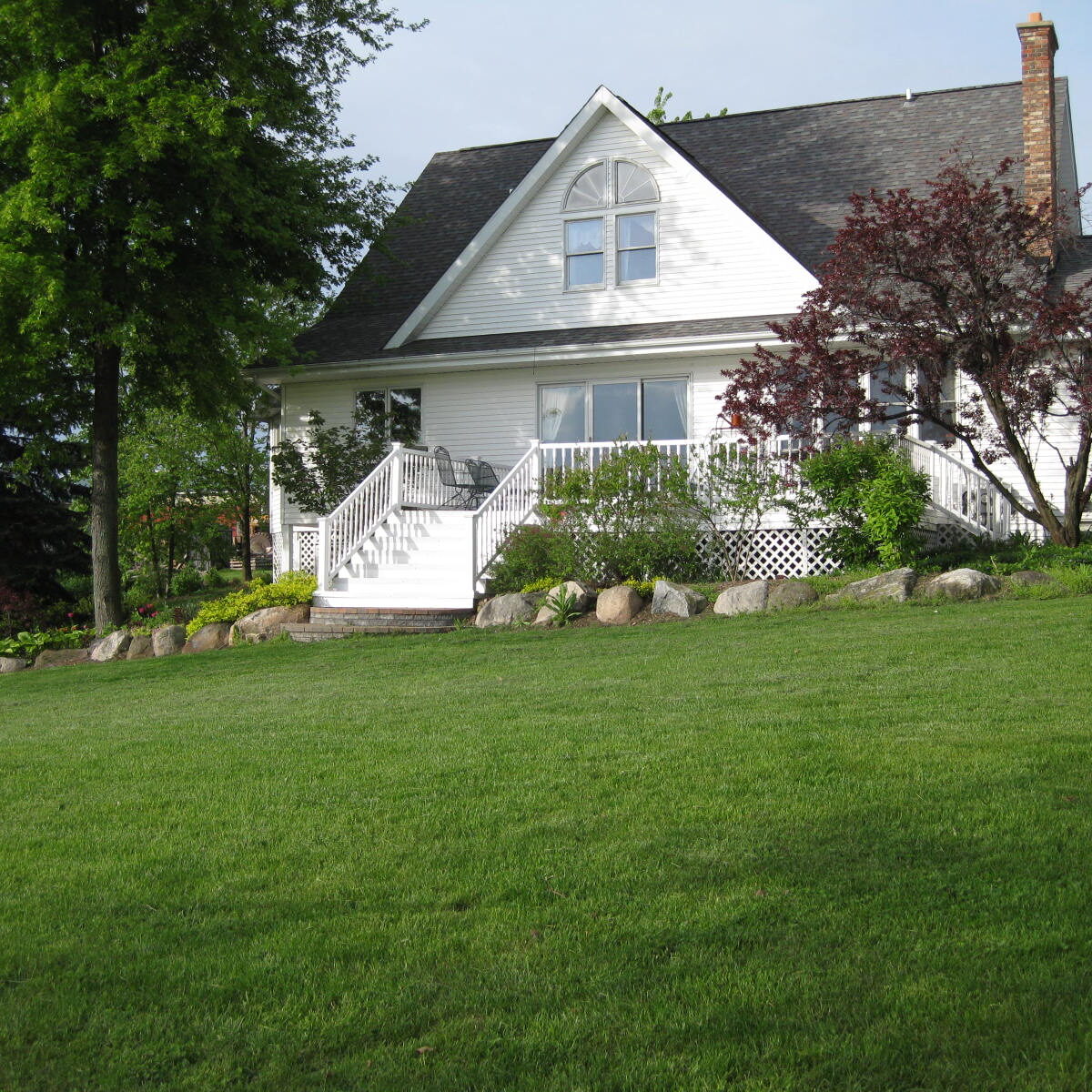
The recycling and decomposition of plant materials is called composting. Composting transforms organic waste into a soil-like material that can provide benefits to soil. Composting yard, garden and some food wastes reduces the waste stream and helps the community reduce both soil waste and associated environmental problems.
Nature's recycling system is simple. Leaves that fall to the ground form a rich, moist layer of mulch that protects the roots and plants and provides a home for nature's recyclers: bacteria, worms and insects. These natural recyclers feed on the mulch, turning it into compost.
Source: Michigan DNR
Gardeners Don't Make Compost
Gardeners don't make compost! Microorganisms make compost by digesting organic materials. People simply provide the right environment to accelerate natures own soil recycling. These digesters are present in soil and include bacteria, protozoa, and fungi. Microorganisms need food, oxygen, water and the proper temperature to thrive and multiply For food, the microorganisms need both nitrogen for body-building (such as green grass or manure) and carbon for energy (such as dry leaves).
Too much nitrogen (as pure grass) may create odors. Too much carbon slows the process. A ratio of 1 part nitrogen to 30 parts carbon (1-30) is ideal, and this approximates one part green to two parts brown material. The microorganisms release heat at various levels depending on the type of activity and organisms present. They flourish when the conditions are optimal for their growth, and they die back when their decomposition work is completed.
Resources to use:
Livingston County Extension Service: (517) 546-3950
Livingston County Soil Waste Department: (517) 545-9609
Michigan Composting Council: (517) 371-7073
Composting Recipe
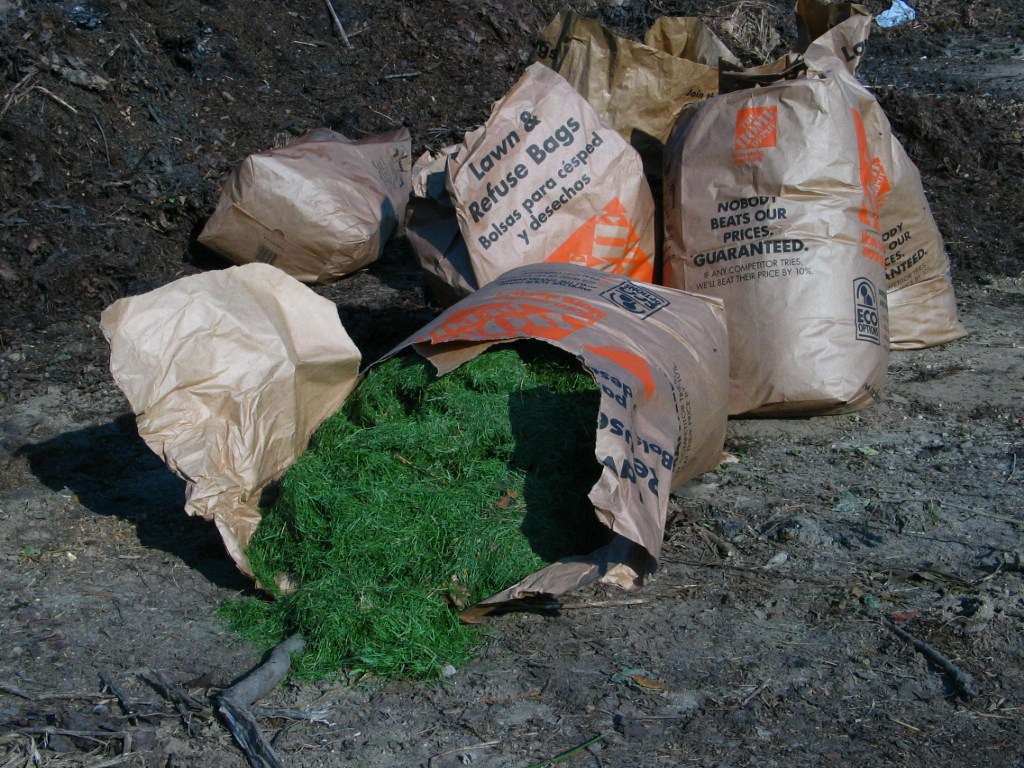
Layer one part green materials with two parts brown materials:
Green Materials with High Nitrogen Content Include:
Grass, Weeds and Non-Woody, Garden Prunings
Spent Flowers, Bouquets
Farm Animal Manures (cow, horse, chicken, sheep)
Fruit and Vegetable Garden Scraps
A Sprinkling of Blood Meal or Cottonseed Meal
Use one part green or one-third of the compost pile.
Brown Materials with High Carbon Content include:
Dry Leaves
Dead Brown Plants or Potted Plants
Straw
Sawdust
Pine Needles
Finely-Chopped Woody Brush
Corncobs
Use two parts brown or two-thirds of the compost pile
Sprinkle a half-inch of soil or manure compost every few layers to provide the microorganisms necessary for the decomposition process.
Add water to keep the pile as damp as a wrung-out sponge.
Mix or turn periodically with a garden fork. Microorganisms need oxygen and small particle size. The more often you turn the pile, the quicker it breaks down.
Notes: Do not add meat, dairy products, diseased plant material, dog or cat wastes to a backyard compost pile. A compost pile made with predominately green materials (i.e. grass) may become soggy and release unpleasant odors. If this happens, break the heap apart and rebuild it, adding layers of brown materials and turn more often to dry out the pile.
One part green and two parts brown, helps the organics turn into compost. Add some water and some soil. Turning is the only toil.
Source: Michigan Department of Natural Resources
From Trash to Treasure
According to the Michigan Department of Natural Resources, it is established that up to 25% of the municipal waste stream consists of grass clippings, leaves, garden debris and other organic yard wastes.
Yard waste is the second largest recoverable part of the waste stream, after paper products. Since Michigan's yard waste ban took effect in 1995, the state estimates that 14% of the total waste stream has been diverted from landfills. These organic waste materials can be converted into compost.
Michigan soils frequently contain less than 1% organic matter. The application of compost can raise soil organic matter content to 25% and results in improvements in soil fertility, structure and moisture levels.
We are glad to have the opportunity to partner with our customers to turn waste materials into valuable products.
Common Questions
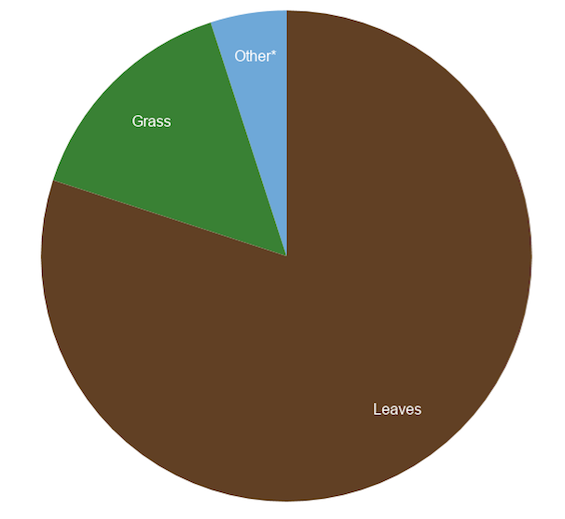
What ingredients make up your Farm Compost?
Our Farm Compost is made up primarily of leaves. There are also woodchips, manure, food waste, grass, and paper lawn bags.
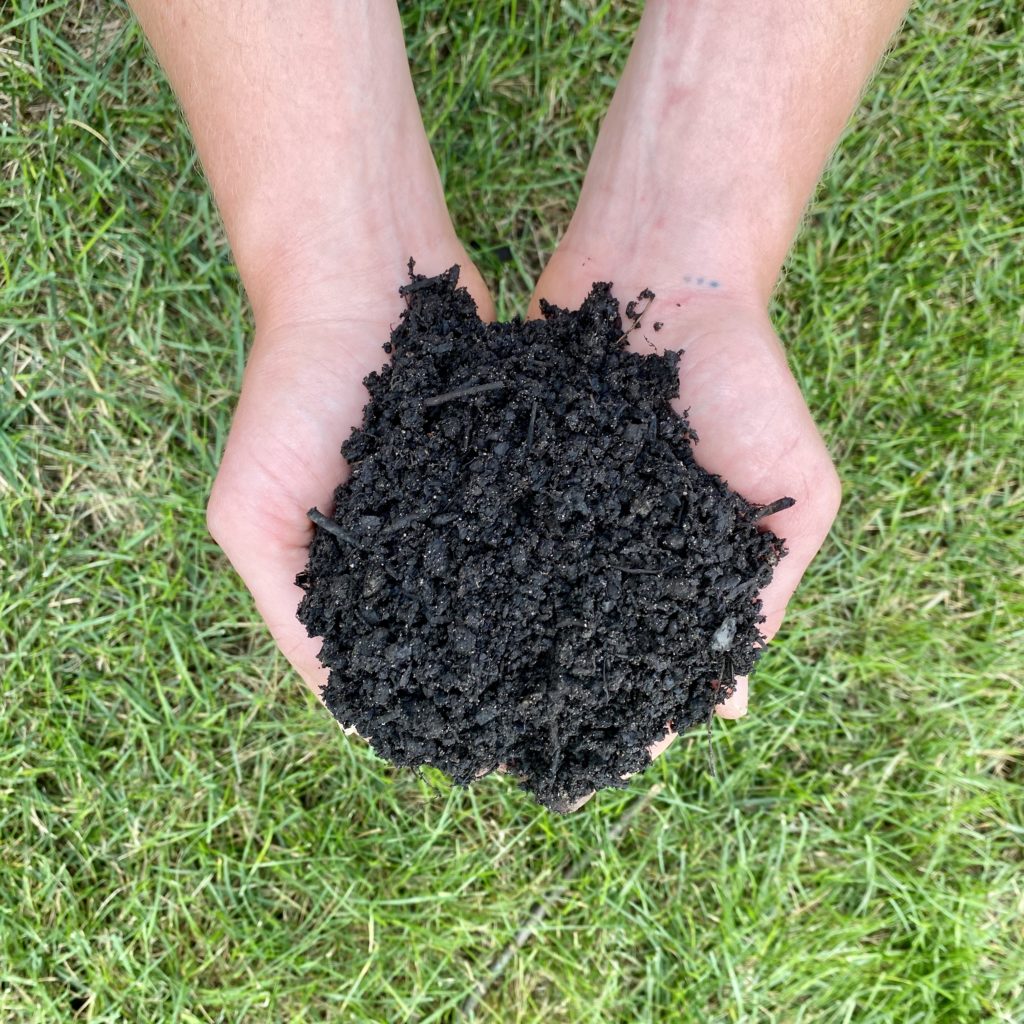
Is your Farm Compost and Supersoil organic?
We do not add any chemicals in the production of our Farm Compost. Our product is tested annually and no detectable levels of chemical residues have been found to date. When organics are collected and dropped off at our site we do not accept trash or plastic. However, we occasionally find bits of plastic in…
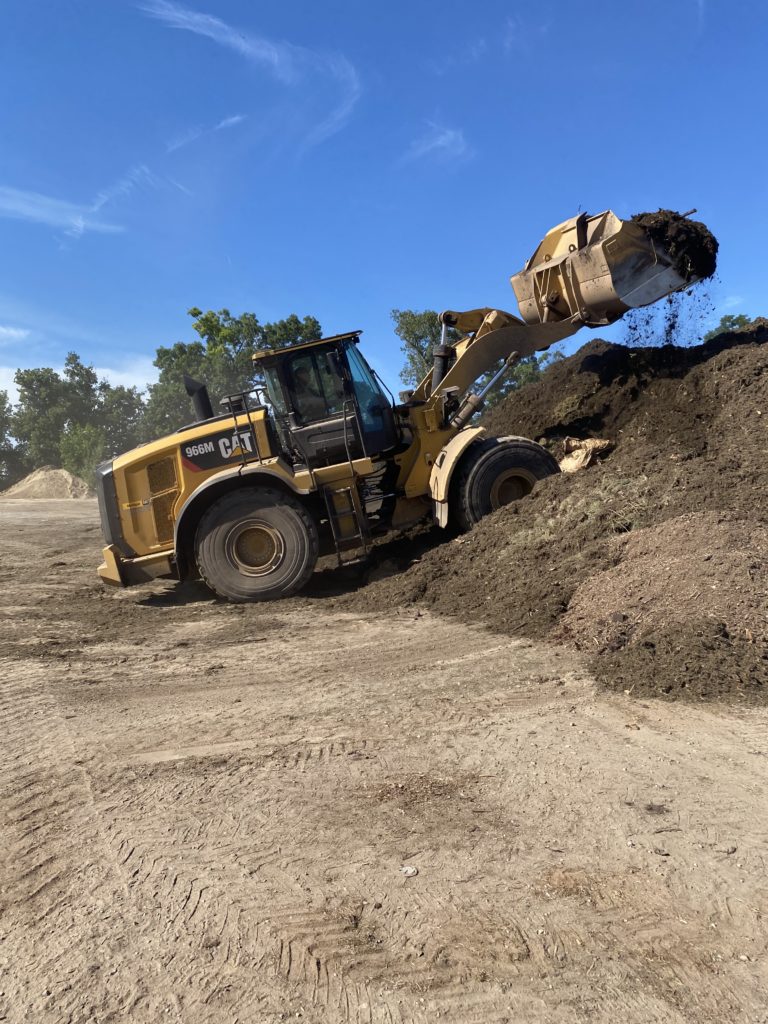
What is the difference between Farm Compost and Supersoil? Which product do I need?
Our Farm Compost is a nutrient rich soil like material that is the result of decomposed organic matter that is ideal for top dressing or mixing with your existing soil. Supersoil is our 50%-50% blend of our Farm Compost and sandy topsoil that is ideal for direct planting or other yard applications.
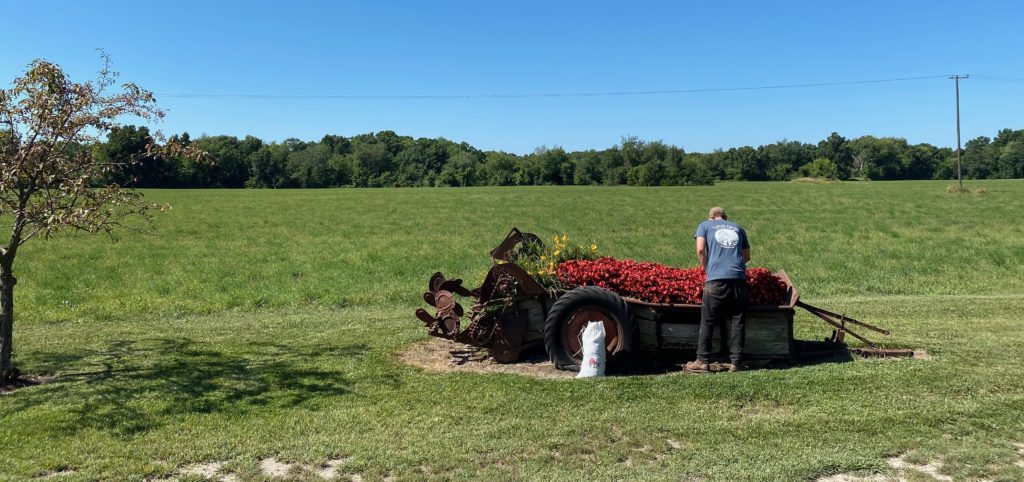
How do I use Farm Compost? Can I plant directly in Farm Compost?
We recommend that you blend Farm Compost into existing soils at a ratio of up to 50% compost to 50% existing soils. Or, you can use Farm Compost as a top dressing by applying 1-2 inches on top of your existing soil. This helps soil retain moisture and decreases the need for frequent watering while…
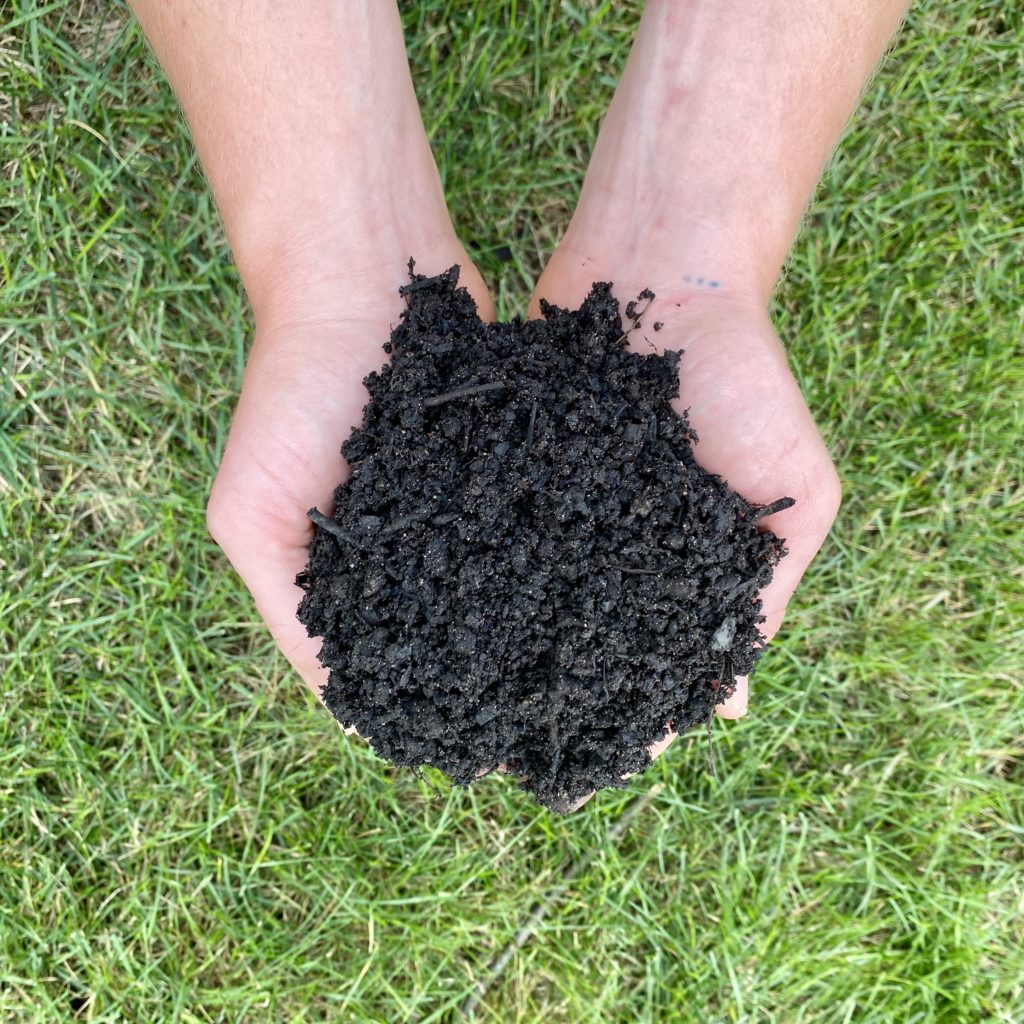
What is the average pH level in your Farm Compost and/or Supersoil?
Our products have an average pH of 7.8.
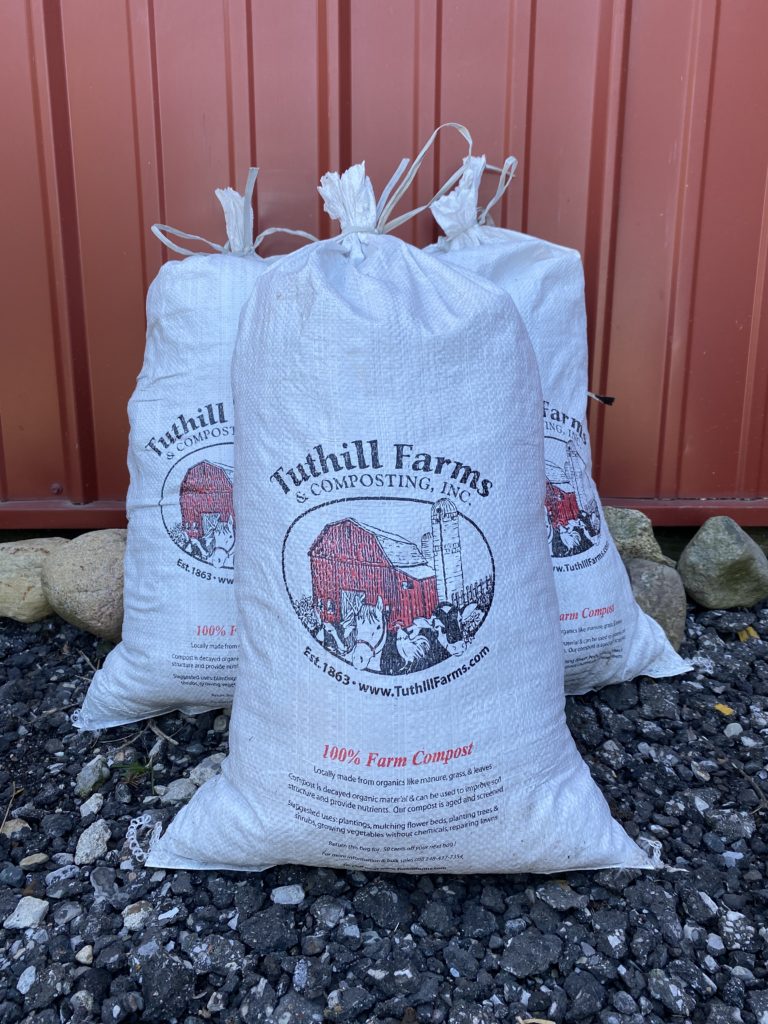
What materials do you have available for purchase?
Materials available for purchase include: Farm Compost Supersoil compost/topsoil blend naturally brown Wood Mulch hay straw Please visit our Materials Available for Purchase page for detailed descriptions and pricing information.
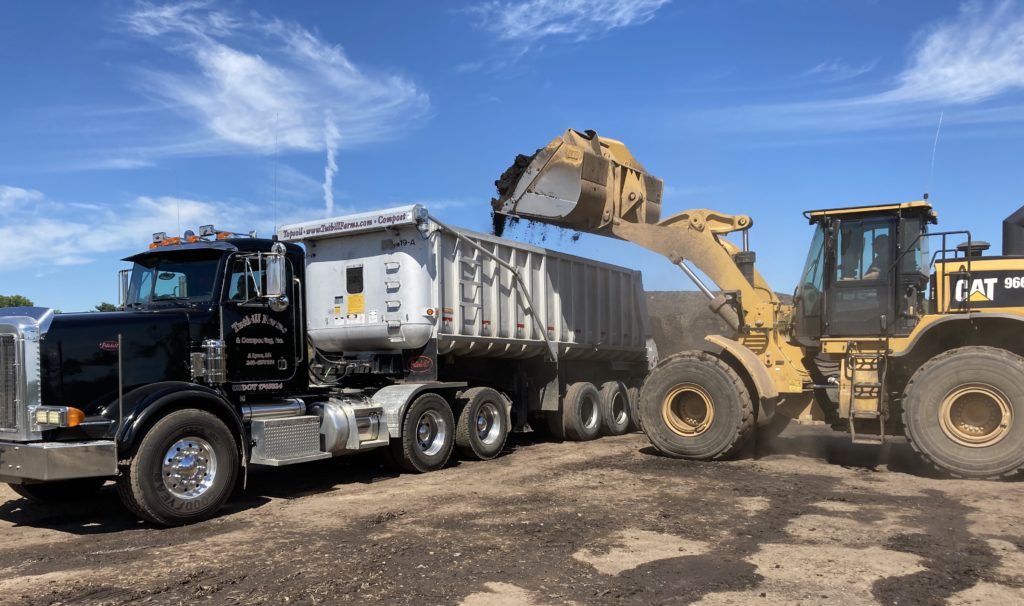
How much material do I need?
Here are some helpful tips for coverage of Farm Compost or Supersoil. 1 cubic yard at: 1″ depth covers 324 square feet 2″ depth covers 162 square feet 3″ depth covers 108 square feet 4″ depth covers 81 square feet 5″ depth covers 64 square feet 6″ depth covers 54 square feet Please use this…
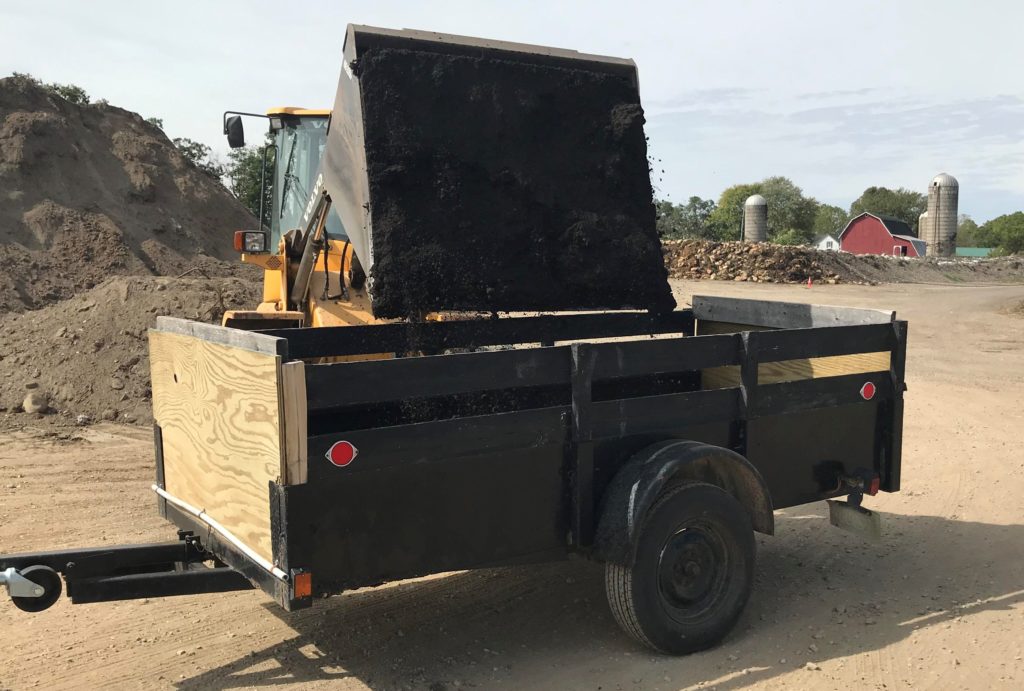
How much material can I fit in my pickup truck or trailer?
Please consult your owner’s manual for weight guidelines on any material in your truck or trailer. 1 cubic yard of Farm Compost or Supersoil weighs approximately 1800 lbs. (may be heavier when wet). Tuthill Farms and Composting is not responsible for damages to your truck or trailer.